Usually fine
Everyday lapses
- Losing focus when tired or stressed
- Occasionally forgetting appointments
- Putting off tasks you don't enjoy
- Feeling restless after a long day sitting
Private ADHD clinic · Macclesfield · Online across the UK
Struggling with focus, impulsivity, time or big emotions? We look beyond attention to sleep, nutrition, stress, hormones and brain chemistry, and build a plan that fits your real life.
Always alongside your GP and psychiatrist, never instead of them.
Why we exist
ADHD is a difference in how the brain develops and works. But how it shows up day to day is shaped by sleep, nutrition, blood sugar, stress, hormones and gut health. Many people wait years for an assessment, and many with a diagnosis still struggle.
people in England are estimated to have ADHD, including those not yet diagnosed1
of adults are estimated to have ADHD2
people estimated to have ADHD in England have a formal diagnosis3
people in England were waiting for an ADHD assessment in March 20251
is how long people wait for an assessment in some areas4
of adults with ADHD screen positive for a sleep disorder5
Sources: 1. NHS England, ADHD management information (May 2025). 2. ADHD UK. 3. ADHD UK, citing the Financial Times (2025). 4. NHS England, ADHD Taskforce report (2025). 5. van der Ham et al., Journal of Attention Disorders (2024).
Know the signs
Everyone loses focus sometimes. The pattern, and how much it gets in the way, matters more than any single lapse.
Usually fine
Worth checking
Don't wait
Thoughts of suicide: call Samaritans free on 116 123, any time, or 999 in an emergency.
Early intervention
Many people cope for years until life gets busier, then sleep, mood and energy start to slip. The earlier the contributing factors are found, the more straightforward they are to support.
Our philosophy
Focus, reward and emotion: the brain regions and chemical messengers, such as dopamine, that drive attention and motivation.
Blood sugar, gut health, thyroid and adrenal hormones, and nutrient status, all of which affect how the brain works.
Sleep, food, movement, screens and stress: the daily inputs that can make ADHD traits easier or harder to manage.
Measure, don't guess
Three layers of assessment build a clear picture of your ADHD and what shapes it.
An introductory self-assessment covering ADHD symptoms, metabolic contributors and lifestyle factors.
Start here →A structured interview and validated ADHD rating scales, with your developmental and family history.
Targeted tests for the body factors your history points to. They don't diagnose ADHD; they show what may be making it harder.
See the lab tests →Everything comes together in one personalised 12-week plan, with a baseline to measure progress against and what to change first.
Your care journey
All consultations are online, by secure video. Each step builds on the one before.
Step 1
Most people start here.
Step 2
Our most in-depth appointment.
Step 3
Testing costs are quoted separately, before anything is ordered. More about our consultations →
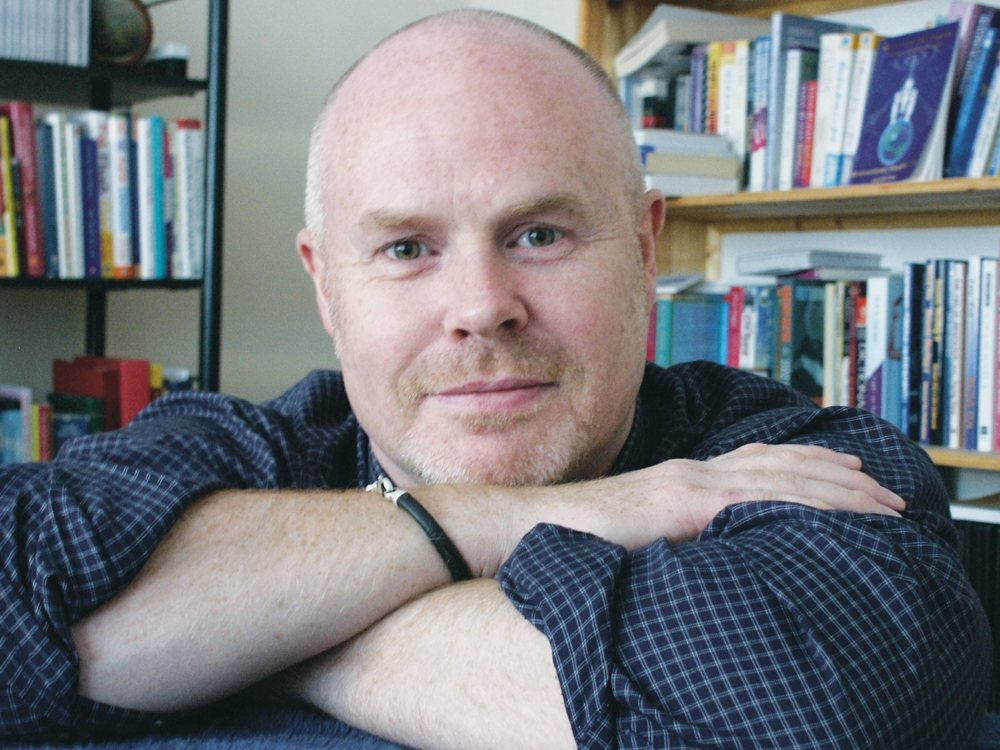
About your practitioner
Alan is a clinician, educator and researcher in functional medicine and functional neurology, and a certified ADHD practitioner with Psychiatry Redefined (USA).
He is studying towards a Fellowship in Functional and Integrative Psychiatry, and works alongside GPs and psychiatrists.
The Neurogenics ADHD Brain Profile looks at ADHD symptoms, metabolic contributors and lifestyle factors. It's part of Brainworks ADHD, with weekly podcasts, a newsletter and live Q&As, for £9.97 a month.
FAQ
No. In the UK, ADHD is formally diagnosed by a psychiatrist or specialist ADHD service. Our assessment uses a structured interview and validated rating scales to understand your symptoms, and looks at the sleep, nutrition, stress, hormone and gut factors that shape them. We can share our findings with your GP or psychiatrist.
No. We work alongside them. We don't start, stop or change prescribed ADHD medication.
Often, yes. Many people with a diagnosis still struggle with sleep, mood, energy or focus. Looking at the body and lifestyle factors behind those can make a real difference, with or without medication.
We can't replace a formal assessment, but we can help you understand what's going on and work on sleep, nutrition, stress and daily strategies while you wait.
Yes. Consultations are available online, by secure video, anywhere in the UK.
Discovery Consultation £95 (60 minutes), Full Assessment £175 (90 minutes), Follow-On Consultation £95 (60 minutes). Testing costs are quoted separately, before anything is ordered.
Find out what is helping, what is holding you back, and what to change first.
Book a Discovery Consultation